Why Your Toilet Keeps Running
Three cistern faults explain why a toilet keeps running: an inlet valve that fails to close, a worn flush valve seal, and a water level climbing past the overflow. Most cisterns around Rothwell were fitted during the suburb's 1960s-through-2000s building eras, so many of those washers and valves have had decades of work.
If we're late, $100 comes off your bill

- Licensed and InsuredEvery job done by a licensed plumber. QBCC No: 15024607
- Fixed Quote FirstFlat-rate pricing, agreed before any work starts
- Lifetime Labour WarrantyBacked by our Fix-It-or-It's-Free guarantee (T&Cs apply)
- $0 Call-Out FeesNo extra charge for nights, weekends or public holidays
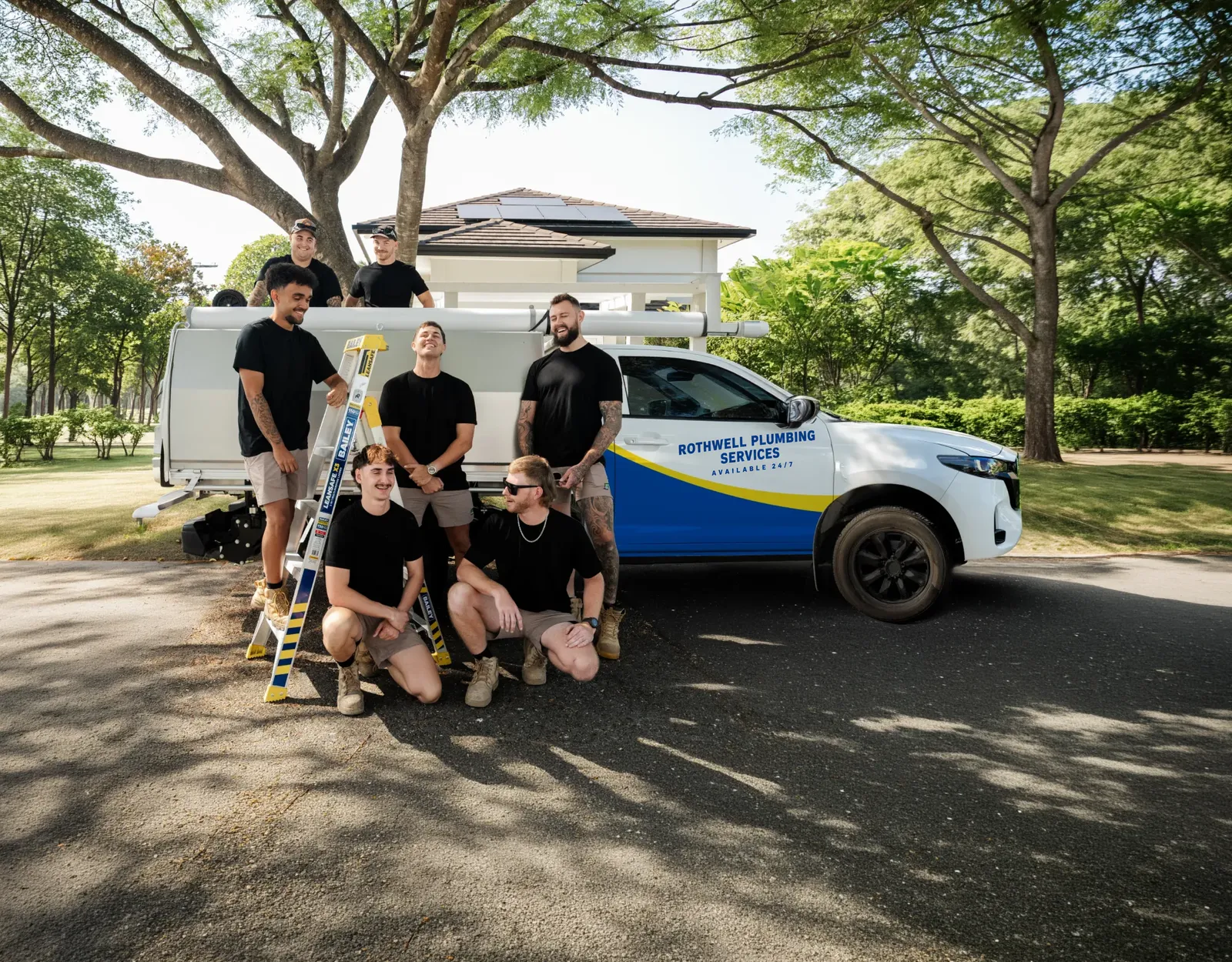
This guide names the three causes, steps through the food colouring check, and sets out which parts Queensland lets you touch before a licensed plumber takes over.
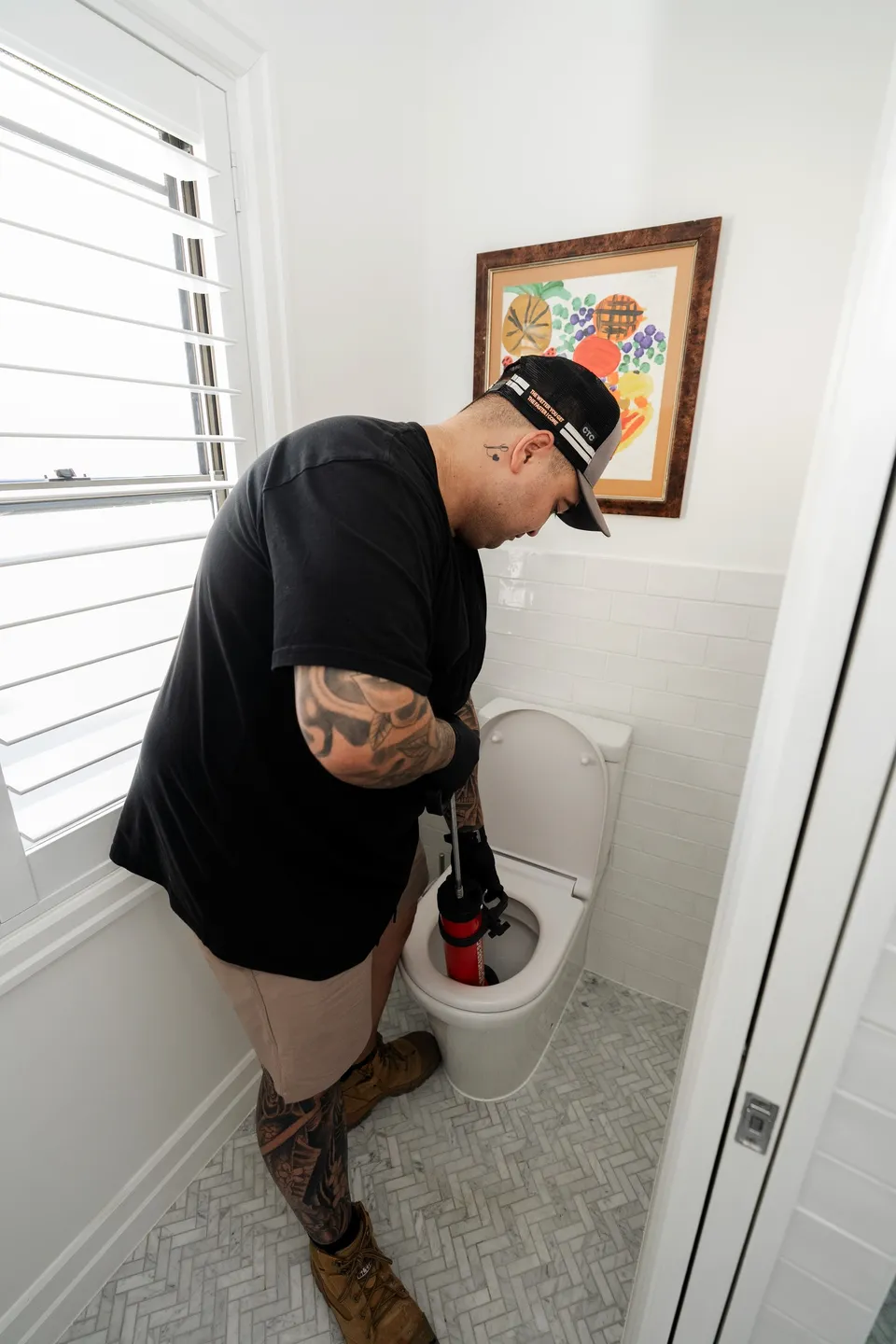
The Three Causes of a Running Toilet
Three faults explain nearly every running toilet: an inlet valve that keeps filling, a worn flush valve seal leaking water into the pan, and a water level set high enough to reach the overflow.
The inlet valve is the part that refills the cistern after each flush and stops when the float hits its mark. The flush valve, sometimes called the outlet valve, holds the water between flushes; its seal keeps the cistern full until you press the button.
Each cause leaves its own signature:
- A hiss or a trickle that continues after the cistern has refilled means the inlet valve is not shutting down.
- A cistern that refills by itself between flushes, or water sliding down the inside of the bowl, means the seal under the flush valve is passing water.
- Water escaping through the overflow, including a drip from the outside pipe, means the level has climbed past its mark and the float or inlet valve needs attention.
Check for a Silent Leak With Food Colouring
The food colouring test catches a leak you cannot hear:
- Put a little food colouring in the cistern.
- Do not flush; just wait and check the bowl.
- Colour showing in the bowl tells you the cistern is passing water into the pan.
- Flush the colour away when you have the answer.
The colouring will not mark a glazed ceramic bowl, and the flush clears every trace. No colouring at home? A square of dry toilet paper stuck high on the inside of the bowl, above the water, should stay dry; if it wets, water is trickling down the surface and the loo is leaking.
No colour in the bowl after the wait means the outlet seal is holding; your next look is at the inlet valve and the float.

Slow, Partial or No Refill After a Flush
A cistern that fills slowly, partly or not at all usually comes down to one of three culprits:
- an inlet valve choked with sediment or worn with age
- a float riding below its mark
- a stop tap at the wall not opened all the way
The stop tap is the small isolation valve on the supply line to the loo. When water flows but the level never rises, the outlet seal may be draining the cistern as quickly as the valve fills it.
The QBCC List of Unregulated Cistern Work
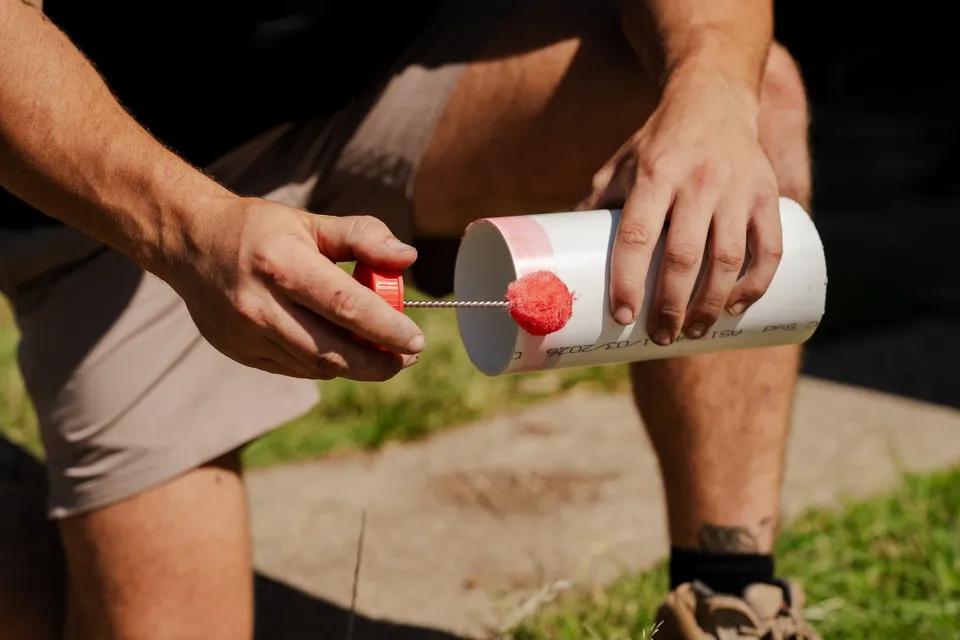
The QBCC, Queensland's building regulator, treats three cistern parts as work anyone may do: a drop valve washer, a float valve washer and a suction cup rubber. Anyone who has the knowledge and skill the regulator expects may repair or replace those three, though the finished work still has to meet the standards.
No licence, no approval and no report applies to those jobs. Every other cistern repair sits in the minor-work category, which Queensland reserves for a QBCC licensee, with neither a permit nor a Form 4.
Rentals add duties of their own under Queensland's tenancy law: the owner or manager of the property keeps it in good repair, and the tenant passes faults on as soon as they notice. A loo that runs is not on the tenancy Act's emergency repairs list, which names a blocked or broken loo, so the repair counts as routine, due within a reasonable timeframe.

Does the Water Utility Cover a Running Toilet
No, a concealed leak adjustment from Unitywater excludes water wasted through leaking taps, cisterns and other water appliances, so a running loo does not qualify. Leaks on a property sit with the owner, who pays for the repairs and the wasted water alike.
Tenure in the suburb splits roughly between owners and renters, so the bill for a running cistern often lands on a landlord rather than the person who noticed the fault.
When to Call a Licensed Plumber
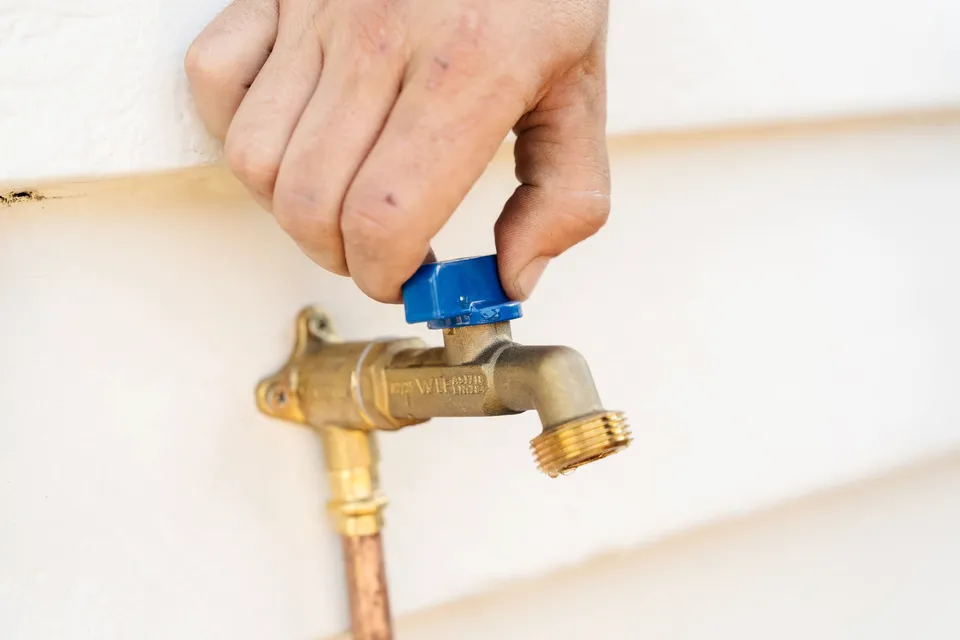
Hand the job over when the dye test shows colour, when the level will not set right, or when the fault lies anywhere beyond the QBCC's three parts. Our toilet repairs page sets out what a visit covers, from diagnosis to the finished fix.
Shared plumbing raises the stakes: at the aged care facility at Blue Care Rothwell, one weeping cistern repeated across dozens of units multiplies quietly on a single water account. A licensed plumber carries the parts, tests the level and leaves the loo holding water between flushes.
Running Toilet Questions Answered
Call (07) 3523 7121How do I check for a silent leak in my Rothwell cistern?
Drop a little food colouring into the cistern tank and hold off flushing. Colour reaching the bowl means the cistern is leaking past its seal. Flush afterwards; the colouring washes away without staining.
Will food colouring stain my toilet bowl?
No, the colouring sits on the glaze rather than soaking in, and one flush clears it. A ceramic bowl comes away clean, so the test leaves no trace.
Which cistern parts can a home owner replace in Rothwell?
Queensland's QBCC names three: a float valve washer, a drop valve washer or a suction cup rubber. Anyone holding the right knowledge and skill may swap those parts, provided the work reaches the required standards.
What is the overflow in a toilet cistern?
The overflow is a built-in outlet that carries excess water out of the cistern instead of letting it spill onto the floor. When the inlet valve fails to close or the float rides too high, water reaches the overflow and runs out through it.

Ring Rothwell Plumbing Services About Your LooWe'll call you back.
Ring (07) 3523 7121 and tell us what's wrong. You get $0 call-out fees, a fixed quote before any work starts and same-day where we can, 7 days a week.
To claim your $0 call-out fee, call (07) 3523 7121 today.