LPG vs Natural Gas at Home
Two fuel gases run Queensland homes, and the LPG vs natural gas question really comes down to delivery. Natural gas is methane, piped through a meter from a gas network. LPG is liquefied petroleum gas, held as a liquid in a cylinder or tank and vaporising as it burns.
If we're late, $100 comes off your bill

- Licensed and InsuredEvery job done by a licensed plumber. QBCC No: 15024607
- Fixed Quote FirstFlat-rate pricing, agreed before any work starts
- Lifetime Labour WarrantyBacked by our Fix-It-or-It's-Free guarantee (T&Cs apply)
- $0 Call-Out FeesNo extra charge for nights, weekends or public holidays
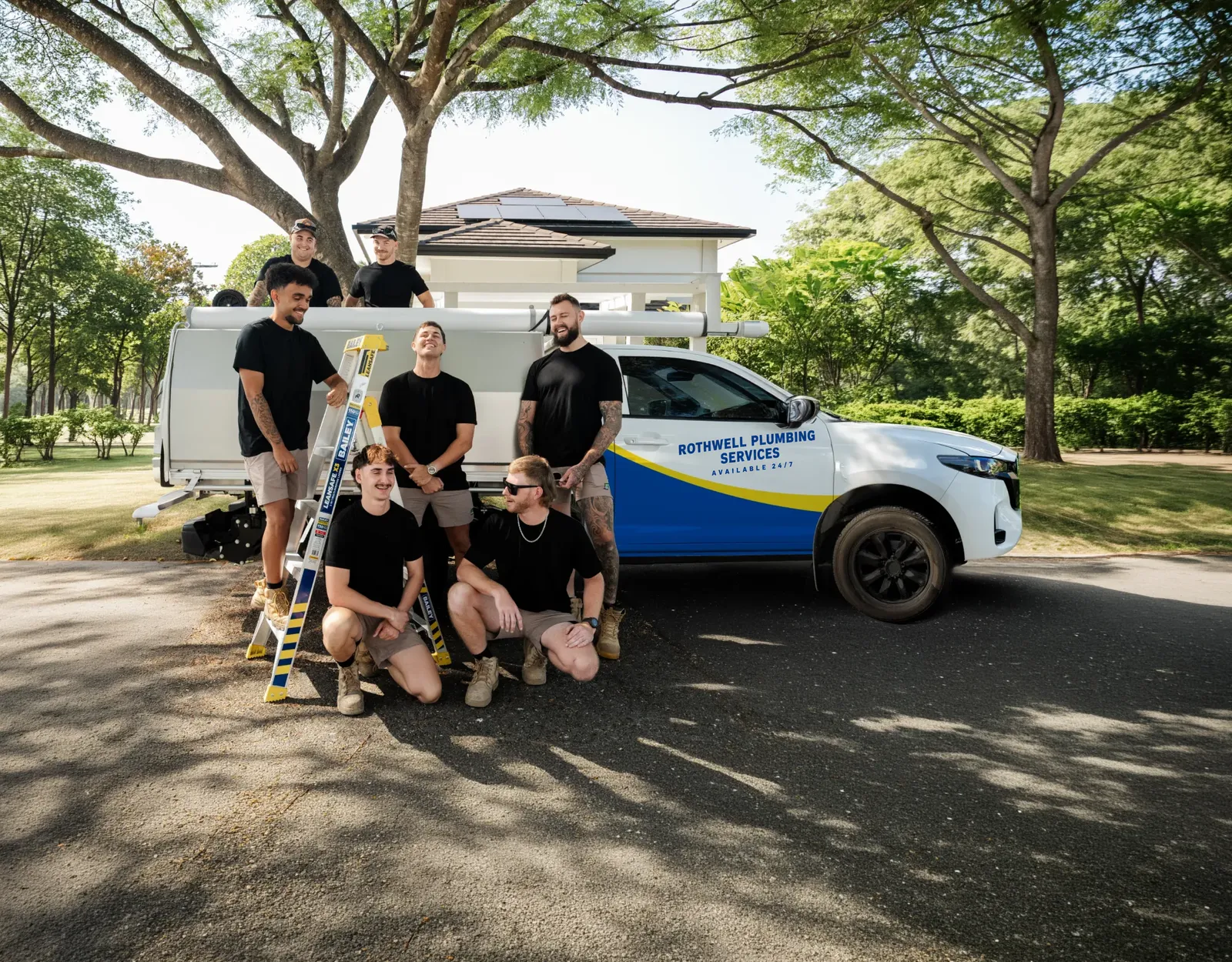
Rothwell households on the Rothwell regular runs get the same advice we give anywhere in the state: the appliance has to match the gas that reaches the property. Rothwell Plumbing Services works on both, and a licensed gasfitter handles every part of the job.
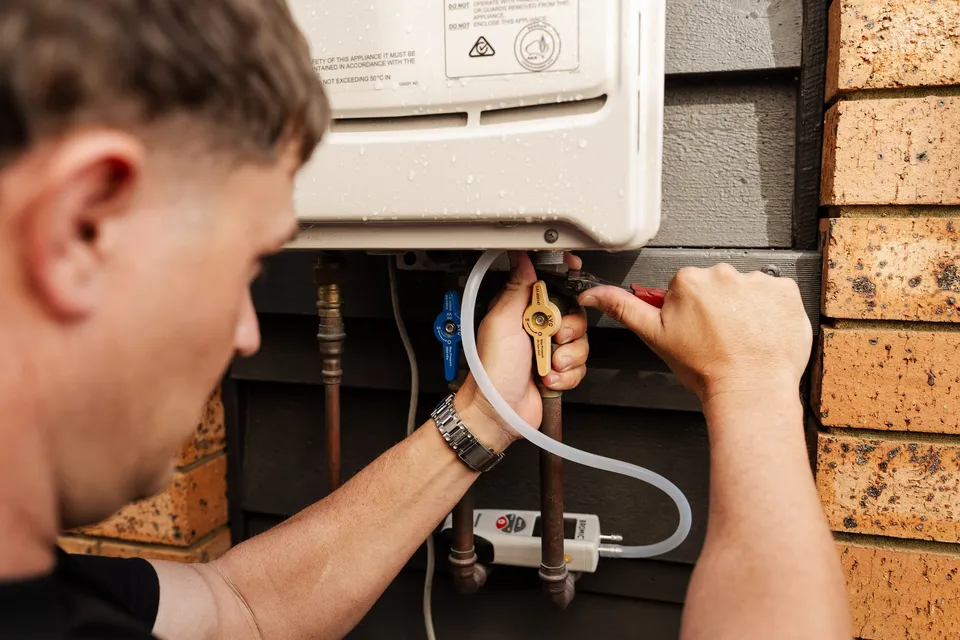
Pipe, Cylinder or Tank Supply Compared
Natural gas arrives through a pipe from a metered network, while LPG arrives either through a piped street supply or from a bottle or tank. That piped LPG option is the one that surprises people: a meter on the wall does not prove the home runs on methane.
Reading your own setup is simple:
- A bottle or tank beside the house means bottled LPG.
- A gas meter points to a pipe, and a pipe delivers either fuel.
- Your supplier names the fuel in the pipe if you are unsure.
Neither gas holds any colour or scent of its own, so an odour chemical named mercaptan goes into both at the supply end. The result is the rotten-egg smell people notice first.
How a Leak Behaves in Each Gas
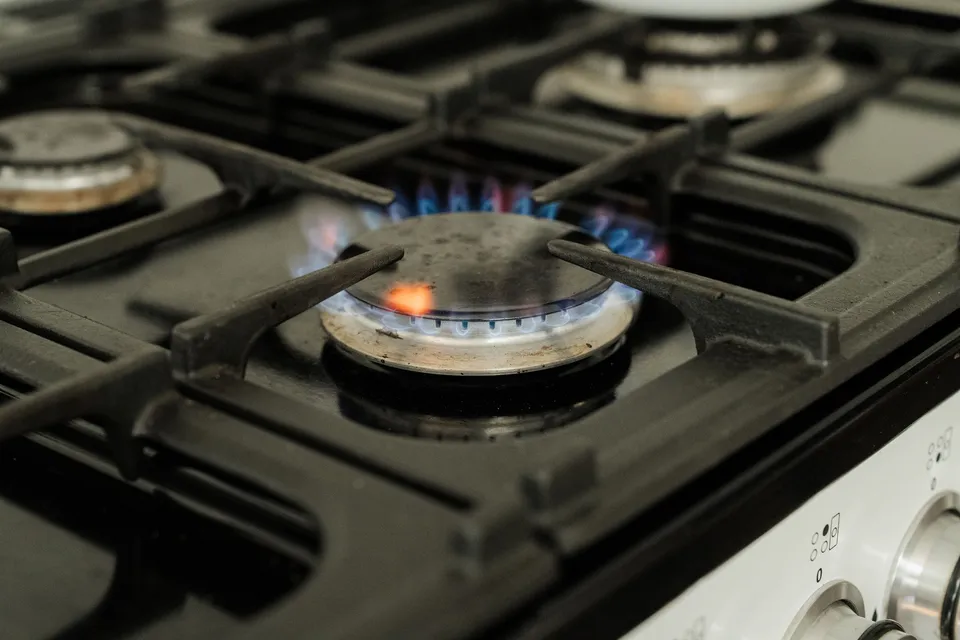
Natural gas rises, because methane is lighter than air, while LPG sinks, being heavier, and gathers in low areas and drains. Open air can disperse a rising leak; the bottled gas instead settles into trenches, pits and gullies.
Both fuels burn readily, yet neither one poisons you. Trouble comes when gas fills a space and crowds out the oxygen, which can bring nausea, dizziness and, at worst, asphyxiation.
The Queensland response to a gas smell is the same for both fuels:
- Appliance off, if that is safe.
- Doors and windows open.
- No electrical switches touched.
- Shut the supply off at the meter or the cylinder if the smell stays, and phone (07) 3523 7121.
- Call 000 if the smell still hangs around.
What the Rules Say About Gas Cylinders
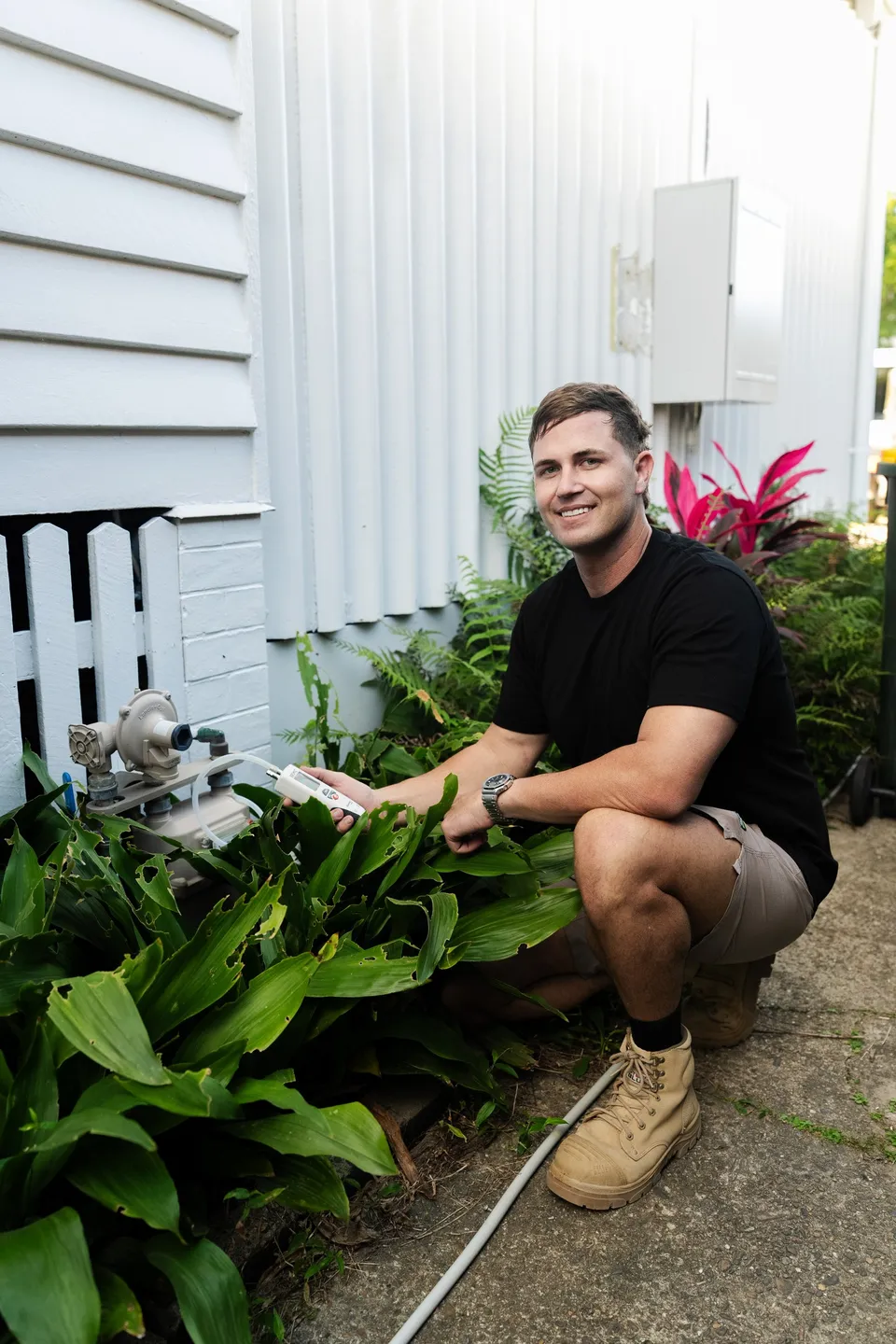
A portable LPG cylinder, typically 9 kg, needs a current ten-year test stamp before anyone will refill it, and every filling station checks the date. An out-of-date bottle gets refused at the pump, not argued with.
The carrying and storage rules are just as firm:
- Secured for the drive, and never in the cabin with the passengers.
- Used and kept where air moves freely, clear of excess heat and anything that could ignite.
- Spares held in one secure spot set aside for the purpose.
- Valve closed whenever the bottle sits idle, empty ones included.
Where cylinders feed the house, the LPG distributor owns the testing and upkeep. A rotten-egg smell around the bottle, or damage to the bottle, means phoning that distributor. Nobody outside that role repairs or removes a cylinder valve.
Is Gas Appliance Conversion a Licensed Job
Yes, and only a licensed gasfitter may do it. Queensland law puts all gas work, from installation through alteration, repair, servicing and testing to certification, behind a gas work licence.
Most appliances are built for one fuel or the other, so a cooktop shifting from a methane home to a bottled-gas home needs converting, not just reconnecting. The gasfitter fits the maker's conversion parts where the manufacturer makes them for the model, then tests the appliance before handover.
Two limits apply:
- Conversion only goes ahead where the manufacturer supplies the parts for that model.
- Sight the gas work licence before anyone starts.
Cookers, barbecues and similar appliances deserve a licensed gasfitter's eye at regular intervals, and daily use always follows the maker's instructions.
When to Call a Plumber
Ring a licensed gasfitter whenever an appliance is moving between homes or between fuel types. The appliance has to suit the gas at its new address. That new place could sit near Blue Care Rothwell aged care or in the low southern streets that summer storm tides reach.
Our gas cooktop installation page walks through the full job, from supply check to certification. Rothwell Plumbing Services quotes the work before anything starts, and every job is done by a licensed plumber.
Gas Supply Questions Answered
Call (07) 3523 7121What is the difference between LPG and natural gas?
Methane reaches a home by pipe through a gas meter, while LPG arrives bottled, in a tank or through a piped street supply. A methane leak rises, while LPG settles low. Mercaptan gives both gases their rotten-egg smell.
Is LPG more dangerous than natural gas in a Rothwell home?
No, neither gas poisons you, and both burn readily. The difference is where each one collects: methane rises, and LPG sinks into low areas and drains. Rothwell households follow the same Queensland steps for a gas smell on either supply.
How can I tell if my Rothwell home uses LPG or natural gas?
A bottle or tank beside the house means LPG. A gas meter means the home is on a pipe, and pipes deliver either natural gas or reticulated LPG, so the gas supplier confirms which fuel reaches you.
How should I store a spare gas cylinder at home?
Keep the cylinder in a designated secure spot with good airflow, clear of excess heat and ignition sources. Keep the valve sealed whenever the bottle sits idle, empty ones included, and never travel with a cylinder in the passenger compartment.

Talk to Us About Your Gas SupplyWe'll call you back.
Ring (07) 3523 7121 and tell us what's wrong. You get $0 call-out fees, a fixed quote before any work starts and same-day where we can, 7 days a week.
To claim your $0 call-out fee, call (07) 3523 7121 today.